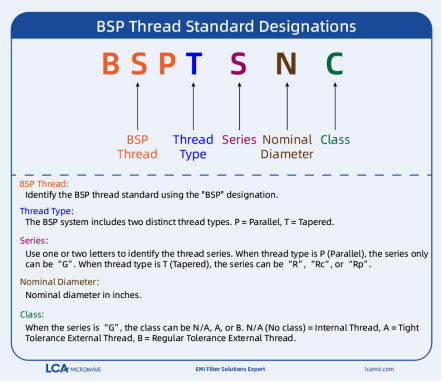
Quick Definition
Quick Answer: An Internal Thread is a helical thread formed on the inside surface of a hole or component.
An Internal Thread is a helical thread formed on the inside surface of a hole or component. Common examples include threads inside nuts, tapped holes, housings, and threaded mounting interfaces.
What Is an Internal Thread?
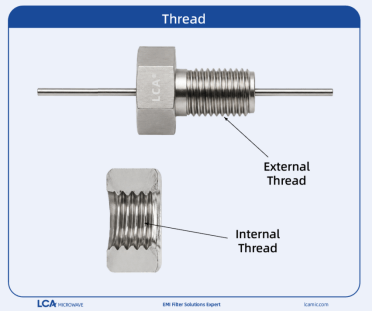
An Internal Thread is a helical groove formed on the inside surface of a cylindrical or conical opening.
It is designed to mate with a corresponding external thread to create a mechanical connection.
Common examples include:
- Nuts
- Tapped holes
- Threaded housings
- Threaded mounting holes
- Threaded connectors
- Threaded enclosures
- Internal threads in mechanical components
Internal threads are commonly manufactured using taps, thread milling, thread forming, or other machining processes.
Why Are Internal Threads Used?
Internal threads provide a practical way to connect components without requiring a separate nut or fastening component.
A properly designed internal thread helps provide:
- Secure mechanical fastening
- Reliable load transfer
- Repeatable assembly
- Proper thread engagement
- Interchangeability
- Controlled assembly and disassembly
The internal thread must be compatible with the mating external thread in terms of thread size, pitch, thread form, and tolerance.
External Thread vs Internal Thread
The fundamental difference is where the thread is formed.
| Feature | External Thread | Internal Thread |
| Location | Outside surface | Inside hole or component |
| Common Example | Screw or bolt | Nut or tapped hole |
| Common Class | 2A / 3A | 2B / 3B |
| Mating Component | Internal thread | External thread |
An external thread is normally designed to mate with a corresponding internal thread having the same thread designation and compatible tolerance class.
Frequently Asked Questions
- What is an internal thread used for?
Internal threads are used to engage with matching external threads and create removable or adjustable mechanical connections.
- What components have internal threads?
Nuts, tapped holes, threaded inserts, and threaded fittings are common examples of components with internal threads.
- What is the difference between External and Internal Threads?
External threads are formed on the outside of a component, while internal threads are formed inside a hole or component.
- How are internal threads specified?
Internal threads are commonly produced by tapping a pre-drilled hole. Other manufacturing methods may include thread milling or forming, depending on the material, component design, and production requirements.
Engineering Support CTA: Selecting a threaded EMI filter or feedthrough capacitor? Share the thread standard and size, panel thickness, voltage/current, capacitance, and environmental requirements with LCA engineers. View Thread Mount Feedthrough Filters