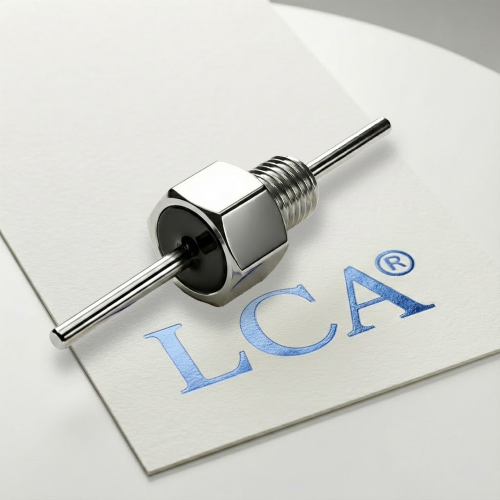
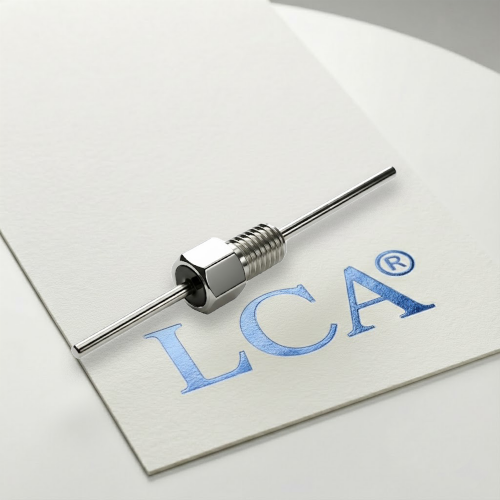
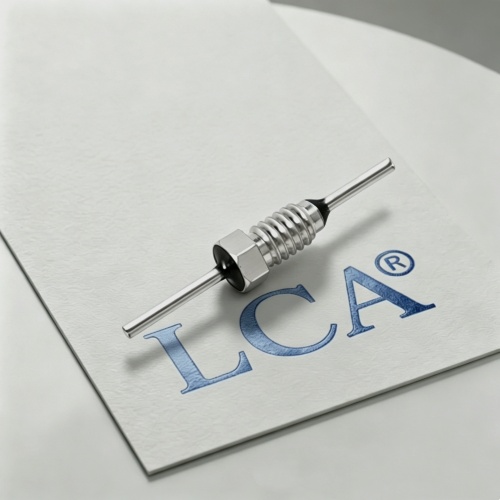
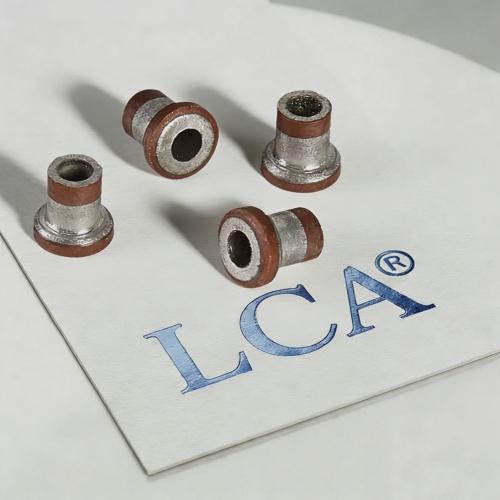
Input and output cables are the vital pathways connecting electronic equipment to the external environment. Whether they are power cords supplying energy or signal/control lines transmitting data and commands, their elongated conductor structure and extended nature inherently make them efficient “conductive and radiative conduits” for electromagnetic interference—functioning like antennas. They can both actively pick up ambient EMI signals and radiate noise generated internally by the device.
When cables pass through an equipment enclosure, external electrical noise (such as pulsed interference from industrial equipment or high-frequency radiation from RF devices) can directly invade the interior via the cable conductors. This noise can then electromagnetically couple with other internal wiring and sensitive circuits, leading to signal distortion, false circuit triggering, and other issues. Conversely, noise generated by the internal operation of the device (e.g., switching noise from power supplies, signal jitter from digital circuits) can also use the cables to propagate outward. This radiated noise can disrupt the normal operation of other nearby electronic devices, causing Electromagnetic Compatibility (EMC) problems.
Specifically, the propagation paths of interference can be categorized into four main types:
- Conducted interference enters the equipment directly via the wiring.
- Radiated interference can propagate directly to the affected equipment.
- Interference can travel along the cable away from the EMI source and subsequently radiate from the cable to the affected equipment.
- Interference can radiate from the EMI source and then be received by the cable entering the affected equipment.