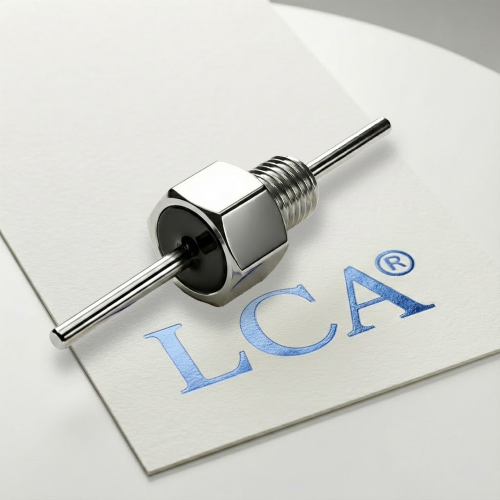
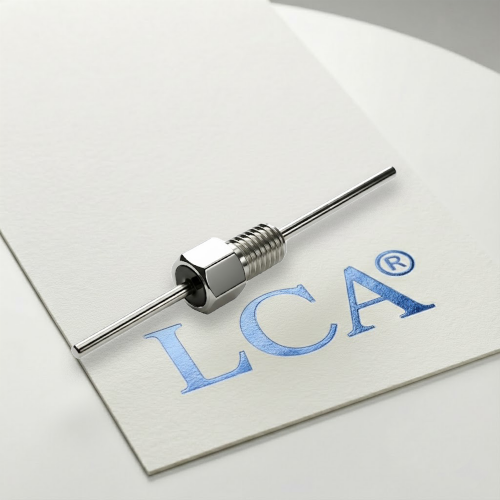
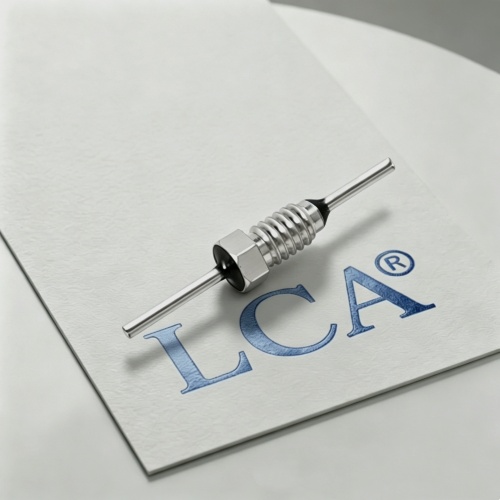
The Self-Resonant Frequency (SRF) is the key parameter that determines the high-frequency filtering capability, applicable scenario boundaries, and anti-interference stability of an EMI feedthrough capacitor. Its value directly defines the capacitor’s “high-frequency operational range” and influences filtering effectiveness, signal integrity, and even service life.
Practical Impact: How SRF Enables Adaptation to Different Devices
1.High-Frequency Scenarios (5G, millimeter-wave radar, satellite communication): Capacitors with a high SRF are mandatory.
2.Mid-to-Low Frequency Scenarios (industrial variable frequency drives, home appliances, general communication devices): A medium or low SRF is sufficient.
3.Extreme Environments (high temperature, vibration, thermal cycling): SRF stability is more critical than its absolute value.
4.Multi-Band Interference Scenarios: Requires combining capacitors with different SRF values.
Extended Implications: SRF’s Relationship with Other Capacitor Properties
1.SRF vs. Capacitance Value: Smaller capacitance values yield a higher SRF (inverse relationship).
2.SRF vs. Structure/Process: The high SRF advantage of feedthrough capacitors stems from their inherent design.
3.SRF vs. Service Life: High SRF capacitors are better suited for demanding high-frequency operating conditions.
Core Selection Guidelines: The Logic Behind Choosing SRF
1.Don’t Blindly Pursue High SRF: Select based on the actual noise frequency of the device. A higher SRF does not automatically mean better; suitability is key.
2.Always Include Sufficient Margin: The SRF should be ≥ 1.2 to 1.5 times the noise frequency to counteract SRF drift caused by temperature and vibration.
3.Leverage Structural Advantages: For high-frequency scenarios, prioritize feedthrough capacitors (inherently low parasitic inductance, high SRF) and avoid ordinary leaded capacitors (insufficient SRF).
4.Balance Capacitance Value and SRF: Use “low capacitance + high SRF” for high-frequency noise, “high capacitance + medium/low SRF” for mid-to-low frequency noise, and combine them for multi-band interference.
In simple terms, the SRF value directly determines “which types of noise the EMI feedthrough capacitor can handle.” A high SRF is a “hard requirement” for high-frequency equipment, while a medium/low SRF is the “cost-effective choice” for mid-to-low frequency devices. The structural design of the feedthrough capacitor is precisely the core competency that enables high SRF and suitability for high-frequency applications.